
MQB48, MQB49, 5C, and 5D refer to different generations/levels of immobilizer (IMMO) systems and dashboard types used in Volkswagen Group (VAG) vehicles on the MQB platform (VW, Audi, Skoda, Seat, etc.).
What’s the difference between VAG MQB48, MQB49 5C and 5D?
| Type | Chip/Platform | Generation / Year range (approx.) | Security Level | Add Key | All Keys Lost (AKL) | Typical Models / Notes |
|---|---|---|---|---|---|---|
| MQB48 | NEC35xx (locked) | Older MQB (≈2015–2019) | Medium | Yes | Yes with sync data | Many Golf 7, Tiguan, Octavia, A3 (pre-2020) |
| MQB49 | RH850 / R7F (newer) | Newer MQB (≈2019.10+) | High | Yes | dealer only | Many 2020+ models, e.g. newer Polo, T-Roc, etc. |
| 5C | RH850 dashboard type (PCJ mark) | Same as MQB49 (newer clusters) | High | Yes | Very limited | Often overlaps with MQB49, e.g. some 2020+ dashboards |
| 5D | Newest RH850 dashboard | Latest (≈2021–2025+, e.g. Golf 8 facelift) | Highest | Yes | dealer only (ODIS + OEM key) | Golf MK8 (some), newest Audi/VW high-end models |
Key Points Explained
MQB48 – Classic / older system (NEC35xx chip).
Easiest to handle for add key with Xhorse VVDI/Keydiy/Yanhua ACDP etc tools — requires MQB48 adapter or MLB/MQB48 adapter.
MQB49 – Newer, stronger IMMO (RH850 processor). Introduced around late 2019. You can usually add a key if you have at least one working key (often needs online calculation, sometimes fee is involved. For example, Keydiy KD-X4 will add key MQB49 if you have MQB license activated. All keys lost is much harder — many cases still dealer only.
5C – Basically the dashboard/cluster type that corresponds to MQB49 level (you see 5C when you read the cluster). Almost the same as MQB49 in terms of key programming difficulty. Many people write “MQB49/5C” together.
It’s common on mid-cycle refreshes from ~2020 onward, especially compact/mid-size SUVs and hatches like the Tiguan facelift, Polo facelift, and T-Roc.
5D – Even newer dashboard/cluster generation (highest security). 5D is the even newer evolution (higher crypto/security), seen on the newest platforms like Golf MK8 (2020+ but especially post-2021/2022 builds) and some 2023–2025+ refreshes of other models.
Require OEM key to make dealer keys. Some tools can change mileage on 5D, but full key programming (especially AKL) is not widely supported yet by aftermarket tools in 2026.
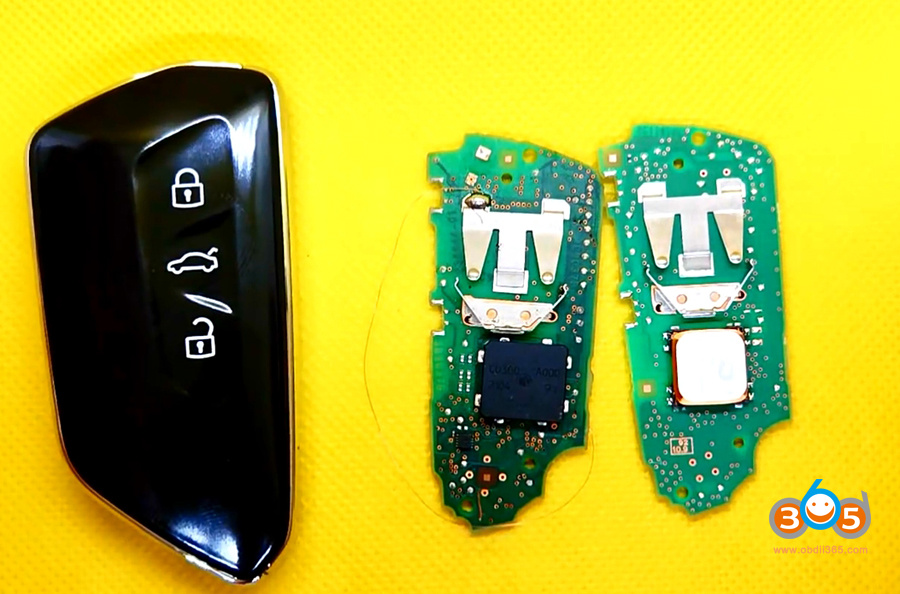
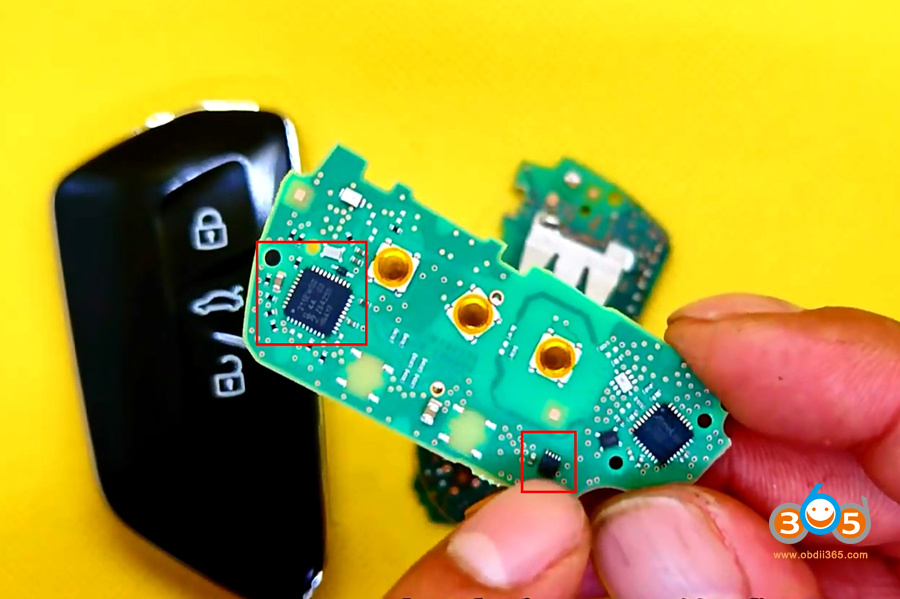
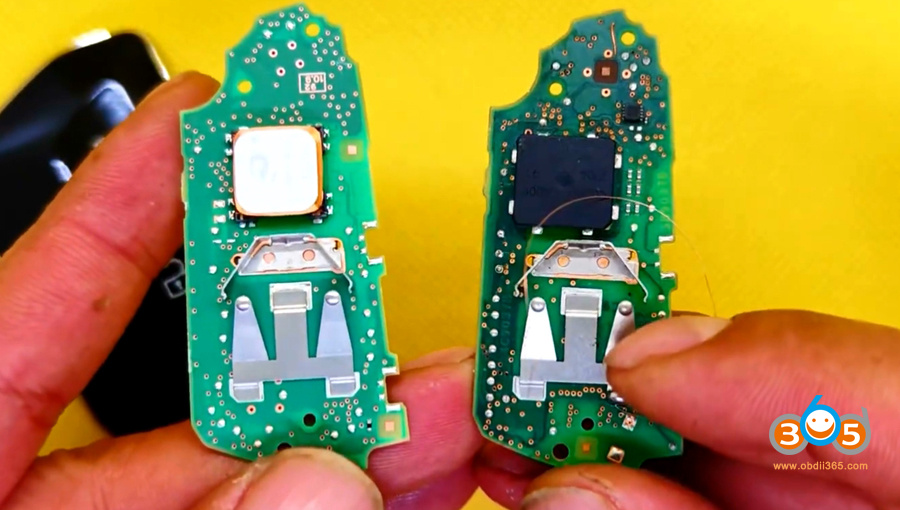
The 5D key PCB features a different chip and also includes an additional acceleration sensor (keyless entry sensor).
It is not interchangeable with the 5C key. Commonly used in the VW Golf 8, ID.3, ID.4, and electric vehicle series.
Adding and generating keys can only be done using the original key.
The PCB comes with either a black coil or a white coil, depending on the production date, with the white coil being produced more recently.
In short (simple version):
MQB48 = older → easier, full support for add key & AKL (with sync data)
MQB49 = newer → harder, usually only add key (with working key)
5C = dashboard name for MQB49 level
5D = newest dashboard → hardest
Compatible Models & Years
1. Volkswagen (incl. Škoda/Seat)
-
Core Period: October 2019 – present. Full coverage for model year 2020+ vehicles.
-
Representative Models:
-
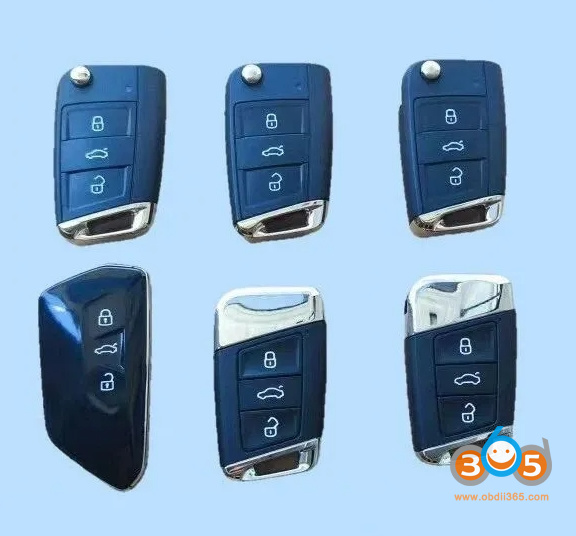
5C key: Golf 8, Lamando L, Tharu, T-Roc, Tayron, Tiguan L, Magotan B8, Passat, Polo, etc.
-
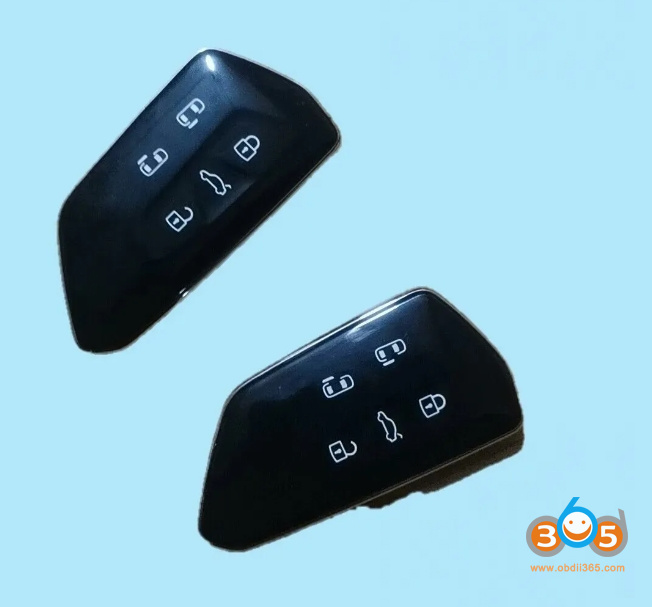
5D key: VW ID series (ID.3/ID.4/ID.6), late-model Golf 8.
-
2. Audi
-
Core Period: October 2019 – present. Primarily model year 2020+ vehicles.
-
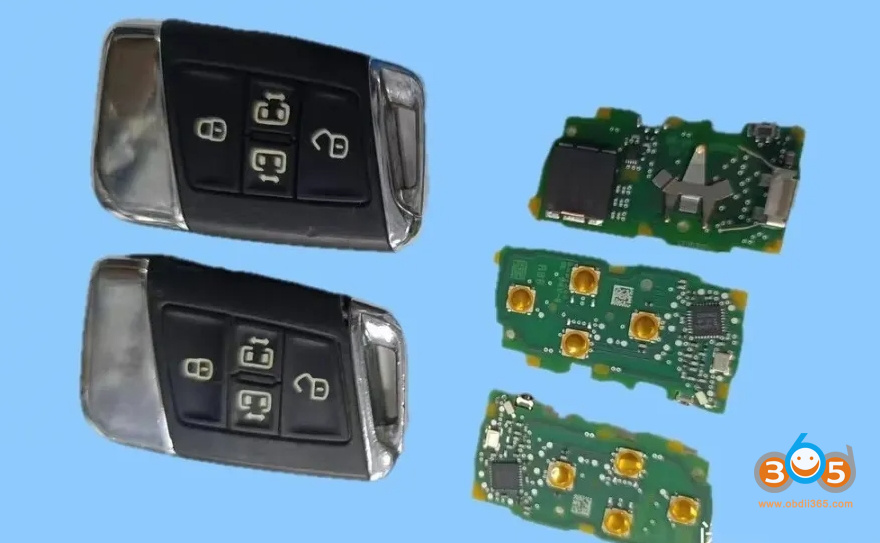
Representative Models: A3L, A5L, Q4 e-tron, Q5 e-tron, Q6, Q6 e-tron etc
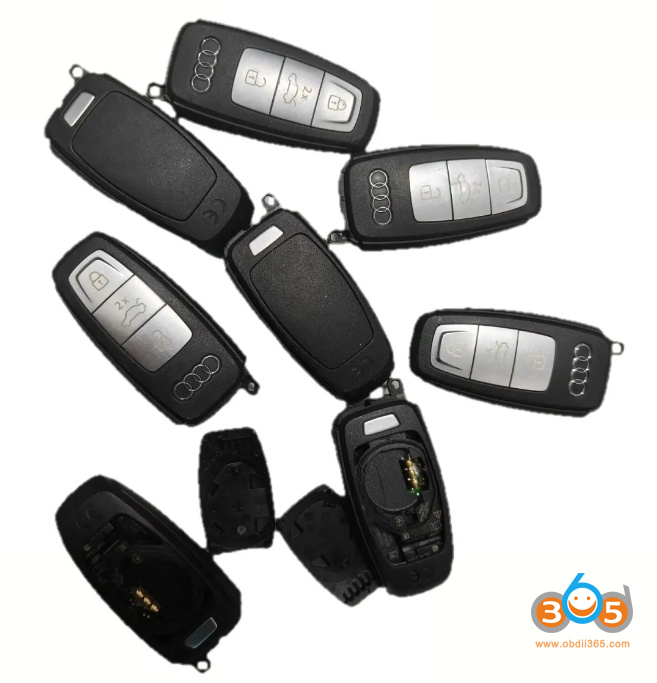
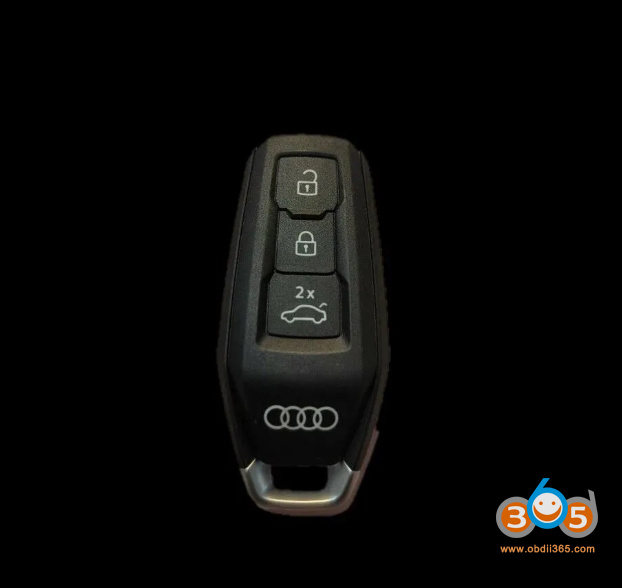
3. Porsche
-
Core Period: October 2019 – present. Shares the 5C/5D key system with VW/Audi.
-
Representative Models: Newer models including Cayenne, Macan, Panamera, 911.
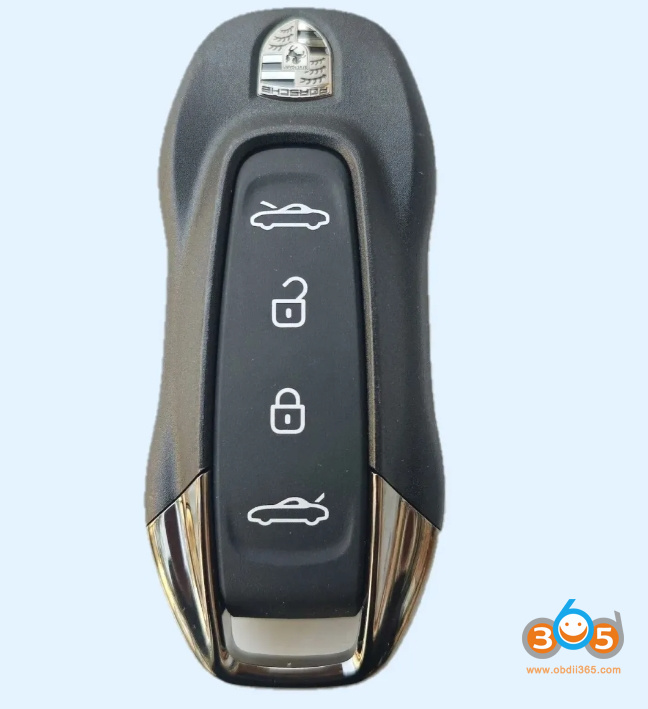
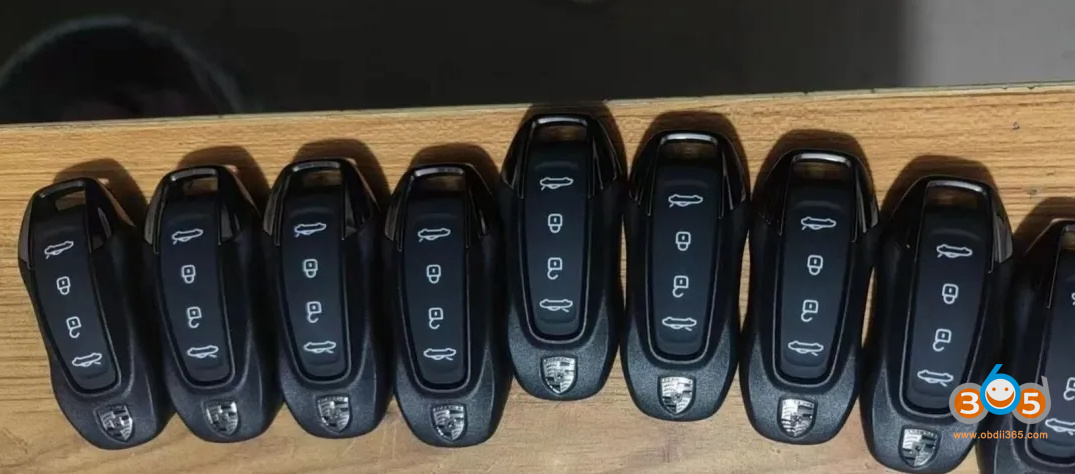
Key Notes
-
Technical Specs: 5C corresponds to the MQB49 chip. 5D is a newer variant of the MQB49 chip. Both are smart keys/flip keys, designed for push-to-start (keyless start) models.
-
Matching Characteristics: Technically difficult to match before October 2019. Equipment was upgraded after 2025. With a working spare key, reading original key data to add a spare key is possible. For all keys lost, dealership original matching is still required.
-
Platform Relation: Older MLB platform mostly uses 754C/754J keys, which are NOT interchangeable with 5C/5D.
Quick Differentiation Methods
-
Check Platform / Year: Pre-2019 MQB = MQB48; Post-2019 MQB = 5C/5D; Older MLB = MBL series.
-
Device Identification (Key Reader):
-
Reader shows “MQB48” = 5A.
-
Reader shows “5C” / “MQB49” = 5C.
-
Reader shows “5D” = New MQB49 (5D).
-
Example Readout:
-
Key Identification: Successful
-
Type: 5C (MQB49)
-
Chip: NCF29A2
-
Immobilizer Location: Instrument Cluster
-
Status: Locked / Matched
-
-
Example Readout:
-
Key Identification: Successful
-
Type: 5D
-
Chip: NCF295E
-
Immobilizer Location: BCM (Body Control Module)
-
Status: Locked / Matched
-
-
-
Check Immobilizer Module:
-
Immobilizer in Instrument Cluster = MQB48 / 5C.
-
Immobilizer in BCM = 5D.
-
Non-MQB platform = MLB series.
-
Note: MLB has three generations: older 754J, MLB-specific, and 5D type!
-
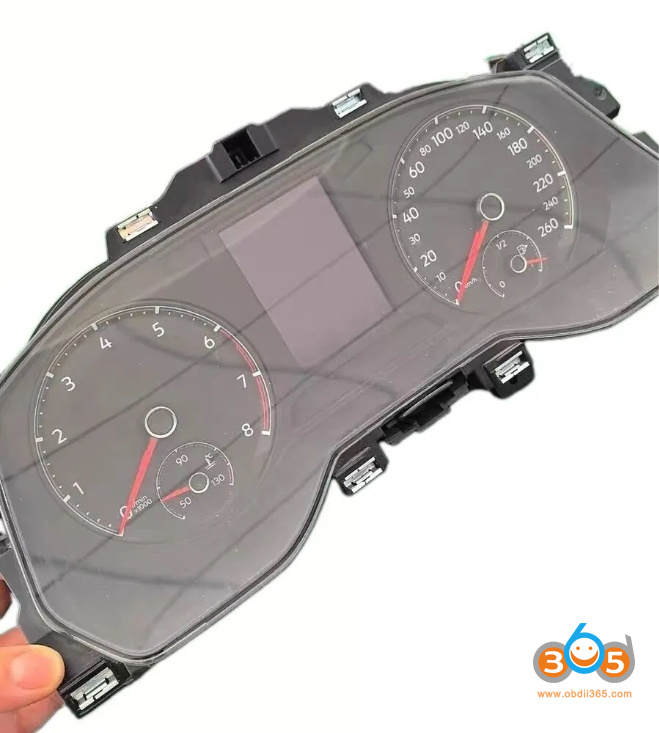
5C immobilizer data is stored in the internal memory chip of the Instrument Cluster (J285) .
-
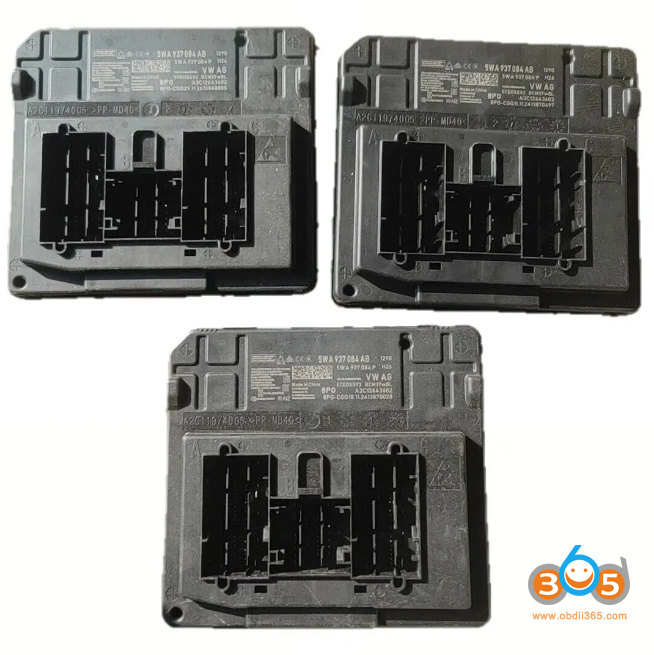
5D immobilizer data is migrated to the BCM (Body Control Module) . On some models, the BCM integrates an NEC microcontroller + an external 95320 EEPROM where the data is stored.
-
5C / 5D Immobilizer Data Storage Location
| Key Type | Control Module | Storage Medium | Platform |
|---|---|---|---|
| 5C (MQB49) | Instrument Cluster (J285) | Internal cluster memory (common types: 35/34 series, R7, F7014xx, etc.) | MQB (post Oct 2019) |
| 5D (MQB49 New) | BCM (Body Control Module) | 1. Main: NEC MCU 2. External: 95320 EEPROM (on some models) |
MQB (post Oct 2019, immobilizer upgrade version) |
Key Details
- 5C (J285): Immobilizer logic and data are fully integrated into the Instrument Cluster (J285). For all keys lost, you must remove the cluster, read the internal memory chip data, and then upload it for calculation (to generate the immobilizer data for a new key).
- 5D (BCM): The immobilizer core is migrated to the BCM. Most models have a BCM with an NEC main controller + external 95320 EEPROM; data is stored in the EEPROM. Some model years store data only inside the NEC. For all keys lost, you must remove the BCM and read the corresponding storage memory (EEPROM or MCU) to extract the data.
-
Distinction from MQB48 (5A): MQB48 (5A) data is also stored in the J285 (Instrument Cluster), but the encryption level is lower than 5C/5D, making matching less difficult.
Reading & Matching Key Points
-
5C: Use a programmer to read the memory chip data from the Instrument Cluster. Upload the dumped data for calculation, then write the resulting data to the new key.
-
5D: Read the NEC / 95320 EEPROM data from the BCM. For some models, OBD online calculation is required. For all keys lost, remove the BCM and read its data, OR replace the BCM entirely to obtain server-side data in order to complete key matching.
Read also:
How to Add VAG MQB49 5C 5D Key with Keydiy KD-X4 Step by Step?