
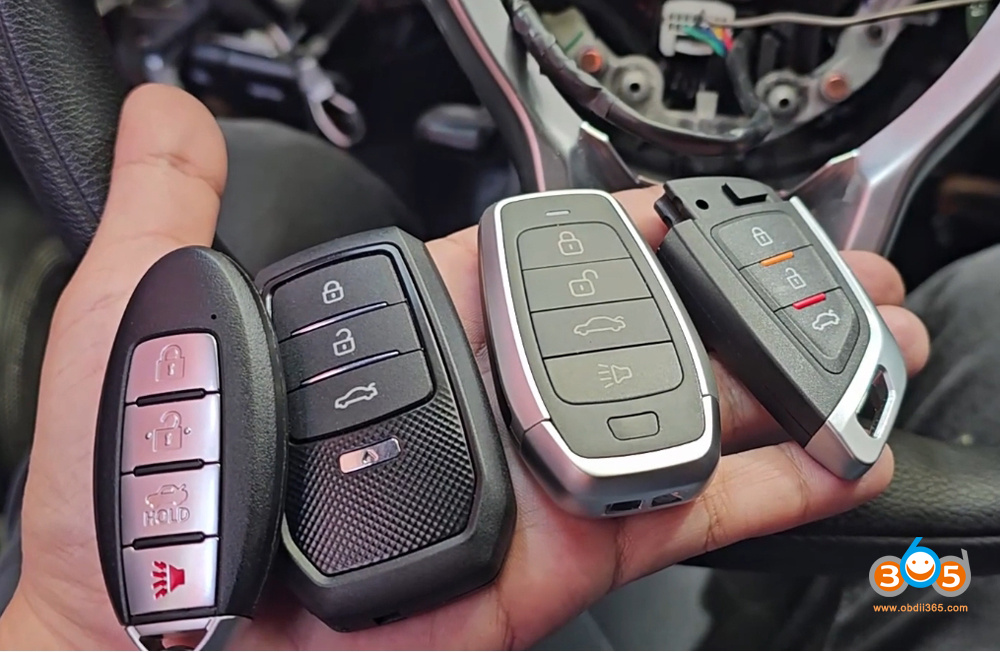
Pitted four different smart keys against each other on a 2018 Nissan Kicks, a vehicle equipped with a proximity smart key system. The four contenders were:
- Aftermarket Key: A generic replacement designed to mimic the appearance of the original.
- Xhorse XS Series: A popular aftermarket smart key from Xhorse.
- Xhorse XM38 Series: Another offering from Xhorse.
- Autel Smart Key: A smart key from Autel, a well-known name in diagnostic and programming tools.
All four keys were successfully programmed to the vehicle and had fresh Energizer batteries. The test focused on a single, crucial metric: the key’s ability to be detected by the vehicle’s internal smart antenna to allow for engine start.
The Aftermarket Key: Basic Function, Poor Detection
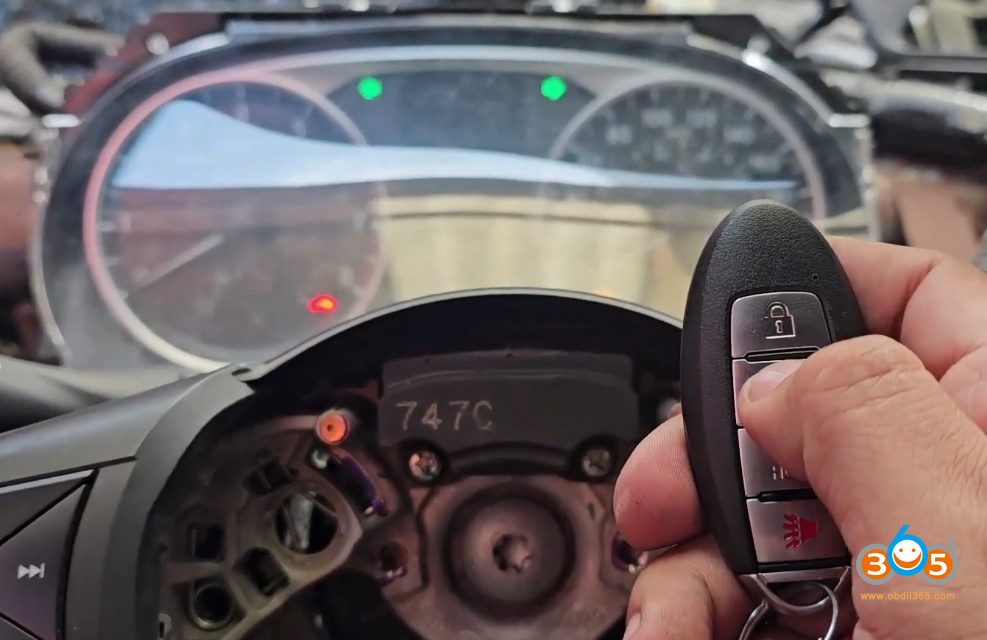
The test began with the standard aftermarket key. While the remote control functions (locking and unlocking) worked perfectly, the key struggled with passive detection.
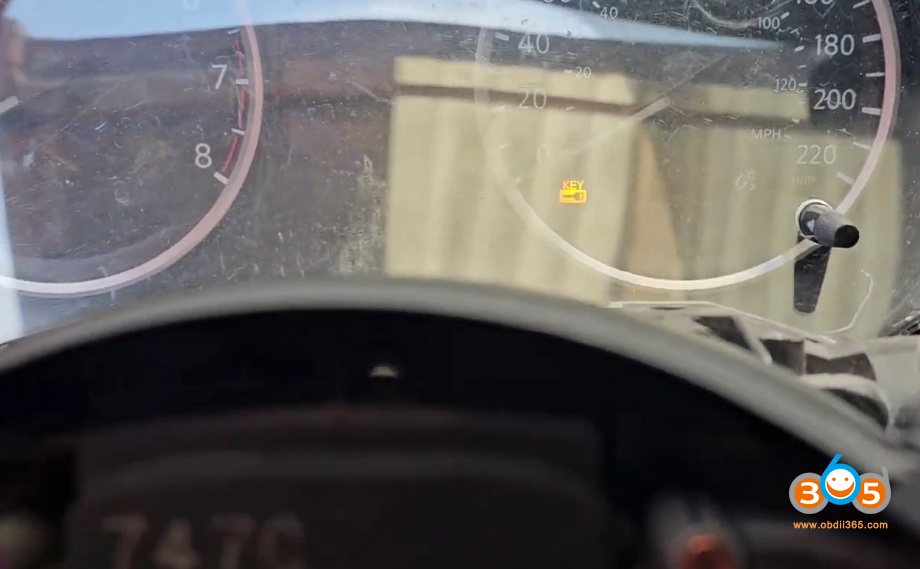
When we entered the vehicle with the key, the dashboard displayed an error message and a key warning light. The vehicle did not recognize the key’s presence, even though the remote buttons were functional. The engine could only be started by physically holding the key directly against the start button, indicating a severe lack of detection range.
Xhorse XS Series: Requiring Precise Placement
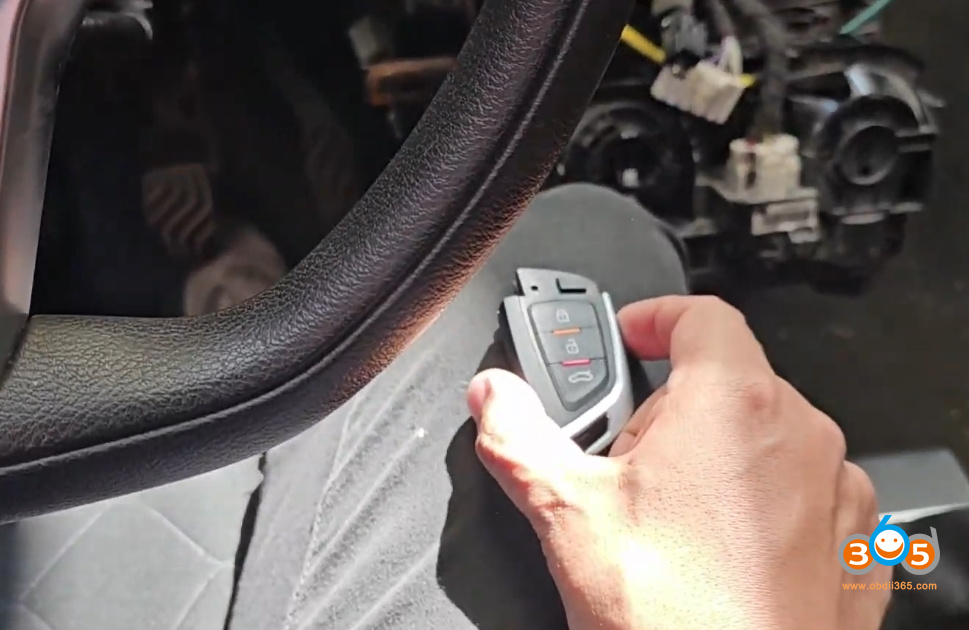
The first Xhorse key, the XS series smart key, was next. The results were slightly better but still problematic. Like the aftermarket key, it failed to be detected when we simply sat in the driver’s seat.
However, after some trial and error, it was discovered that the key would work if it was moved very close to the vehicle’s smart antenna, located near the driver’s right leg. While this is an improvement over the aftermarket key, the need for such precise placement would be inconvenient and unreliable for daily use.
Xhorse XM38 Series: A Noticeable Improvement
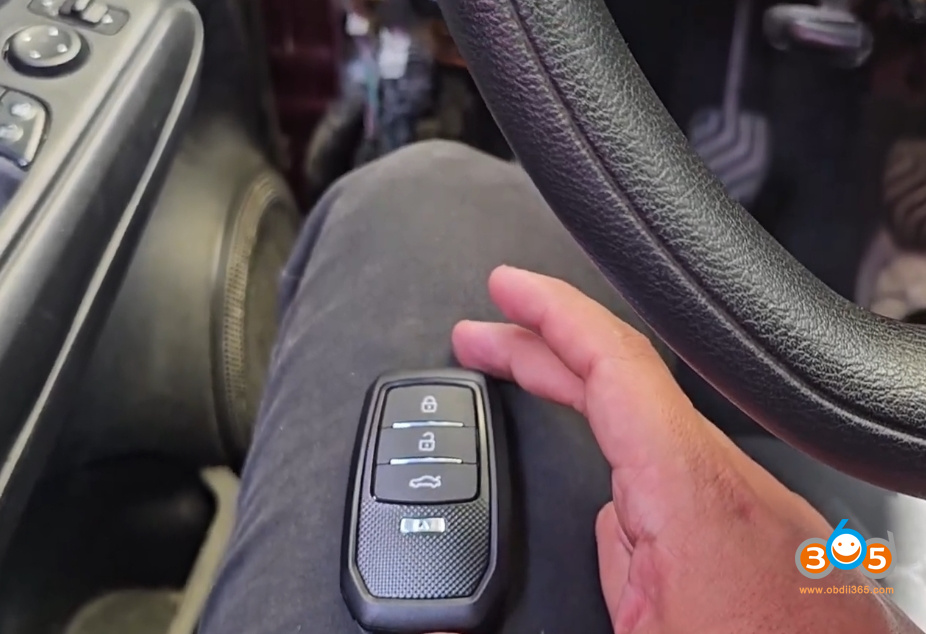
The Xhorse XM38 series key showed a marked improvement in performance. Upon entering the vehicle, the system almost immediately recognized the key, indicated by the prompt to press the clutch to start the engine.
To push the key further, we placed it in his back pocket, exited and re-entered the vehicle. Initially, the key was not detected. However, after a second attempt, the system recognized it. While better than the XS and aftermarket keys, the detection was not instantaneous from all locations, showing some inconsistency.
Autel Smart Key: The Clear Winner
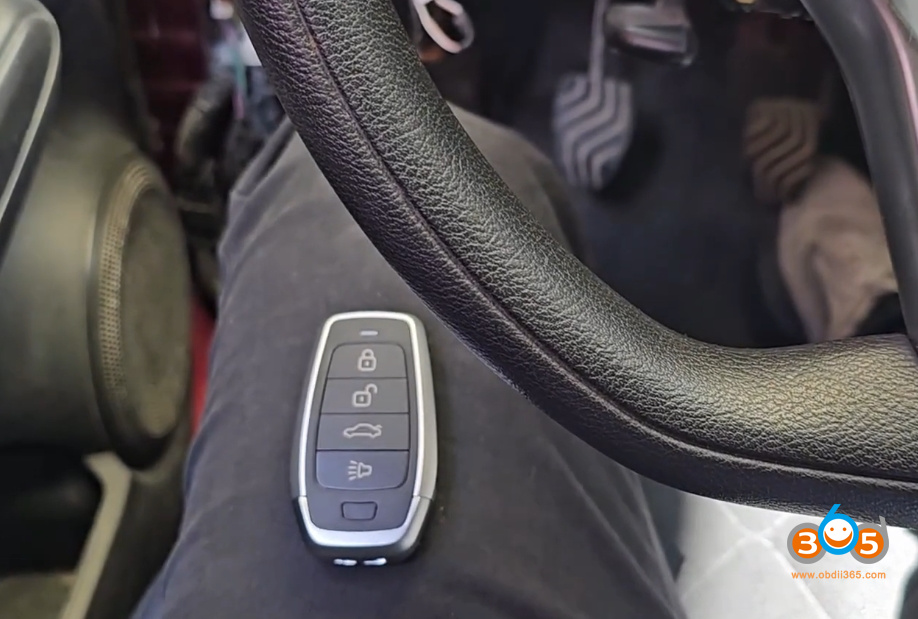
The Autel ikey universal smart key was the final key tested, and its performance was immediately superior. The moment we entered the vehicle with the key, the system detected it and prompted him to press the clutch. The engine started without any delay or need to reposition the key.
Then we conducted more extreme tests:
In the back pocket: The key was placed in the rear pocket, and the vehicle still detected it without issue.
Extreme placement: The key was moved further to the left side of the vehicle’s interior, away from the typical antenna location. Even from this position, the vehicle consistently detected the key and allowed for a start.
Conclusion: Autel Dominates in This Test
For the 2018 Nissan Kicks tested, the Autel smart key demonstrated the most reliable and robust performance. It offered seamless detection from various locations within the vehicle, closely mimicking the performance of an original equipment (OE) key.
The Xhorse XM38 showed decent but inconsistent performance, while the Xhorse XS and the standard aftermarket key required the driver to place the key in a very specific, often inconvenient, location to start the car.
We notes that this is a single test on one vehicle model (Nissan Kicks). The results may vary across different makes and models. However, this comparison clearly shows that while a key may be programmable, its quality and the performance of its internal transponder and antenna can significantly impact the user experience. Further tests on other vehicle models are planned to see if Autel’s superior performance remains consistent across the board.