
A recent job involving a 2023 Toyota Corolla with a complete key loss turned into a revealing case study on the complexities of modern automotive security. Which key should be programmed? Xhorse XM38, Keydiy or Autel Toyota ikey? This is genuine feedback from the customer.
The Initial Plan and First Hurdle
The immediate obstacle was the car’s active alarm system, which blocked the crucial initial step of backing up the car’s immobilizer data. We use a Lonsdor K518 Pro, which is popular for Toyota vehicles because it supports immobilizer data backup and key generation via OBD in many AKL cases. To disarm the vehicle’s alarm (which can block programming), we activated the hazard lights twice and followed on-screen prompts.
With the alarm disarmed, we can back up immo data with Lonsdor via the OBD port.
When this failed to bypass the security, they moved to “Plan B”: connecting a specialized FP30 30 pin cable directly to the vehicle’s CAN bus lines to successfully read the immo data and generate a new key.
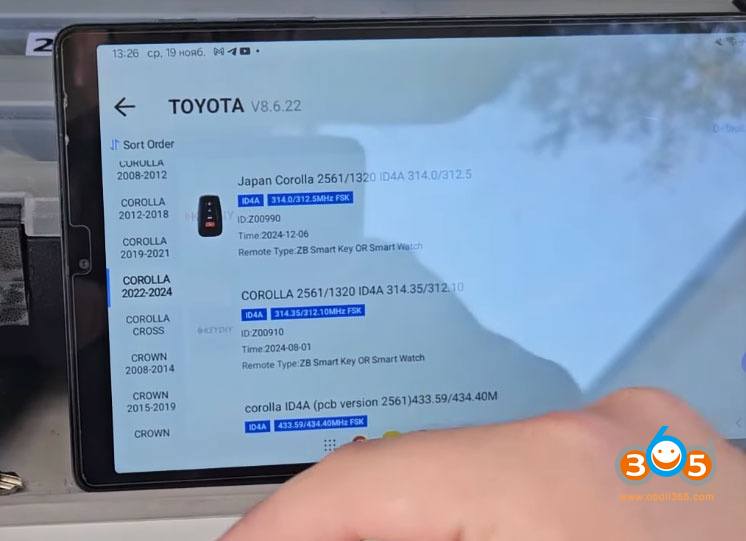
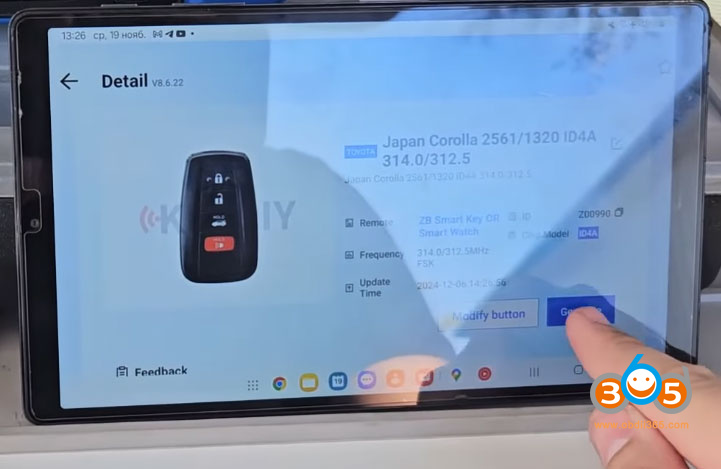
The First Key: Keydiy Toyota TDB key
Keydiy has three firmware versions out of the box.
The second firmware was installed without any problems.
Using the generated key (a KD brand universal key), we successfully programmed the transponder chip, allowing the car to start. However, the remote functions (lock/unlock/panic) did not work initially—a common issue.
Autel iKey Toyota Smart Keys:
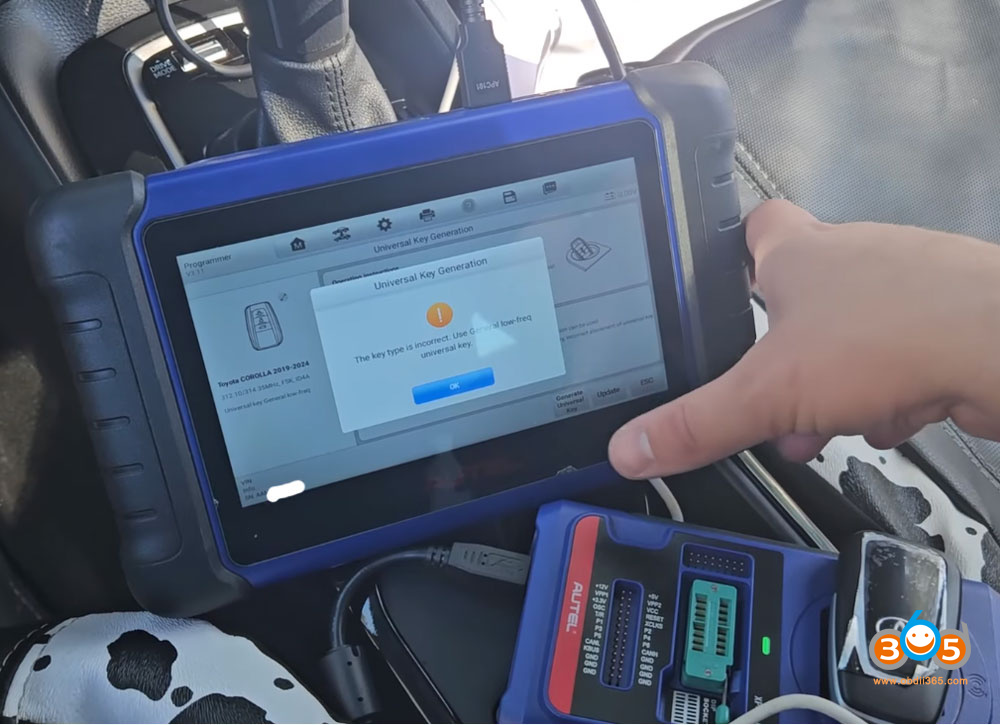
Two different Autel smart key blanks: Failed to program at all, surprising we as these are typically reliable for Toyotas.
Lonsdor key blanks:
Required a specific LT-30 chip, which was not on hand, preventing their use.
Other aftermarket options
(including one styled for Hyundai and Ford) were tested, but compatibility issues persisted—common with Toyota’s 4A proximity systems in 2023+ models, which are picky about chip types and frequencies.
Successful Solution with Xhorse XM38 Universal Key
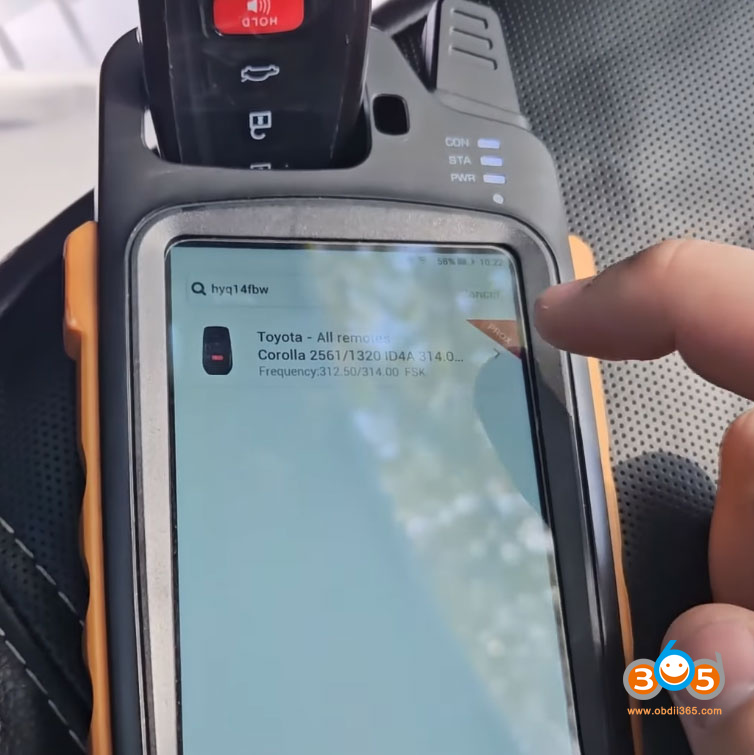
The breakthrough came with an Xhorse XM38 universal smart key. Generate XM38 with key tool max, then add this XM38 smart key by Lonsdor.
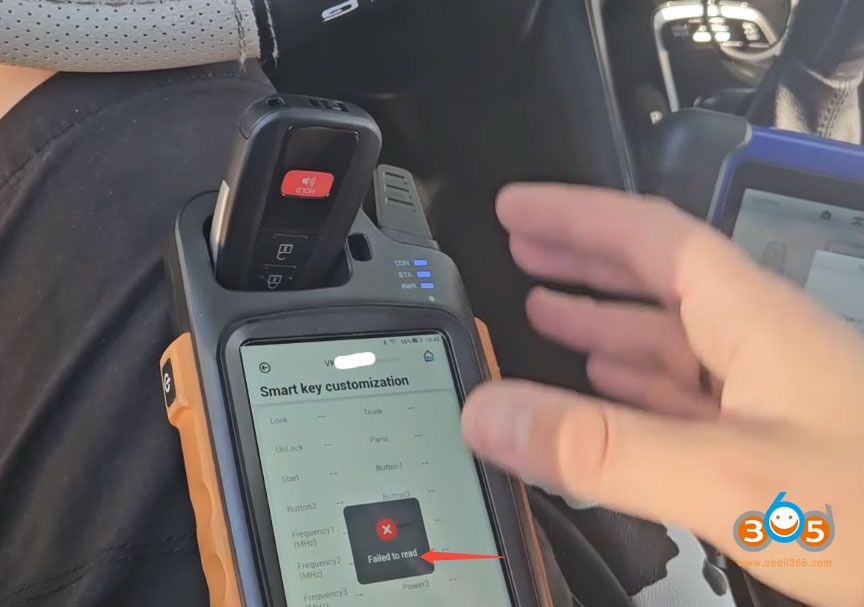
Initial firmware didn’t fully work (remote buttons and keyless entry failed), but switching to the second firmware option resolved it.
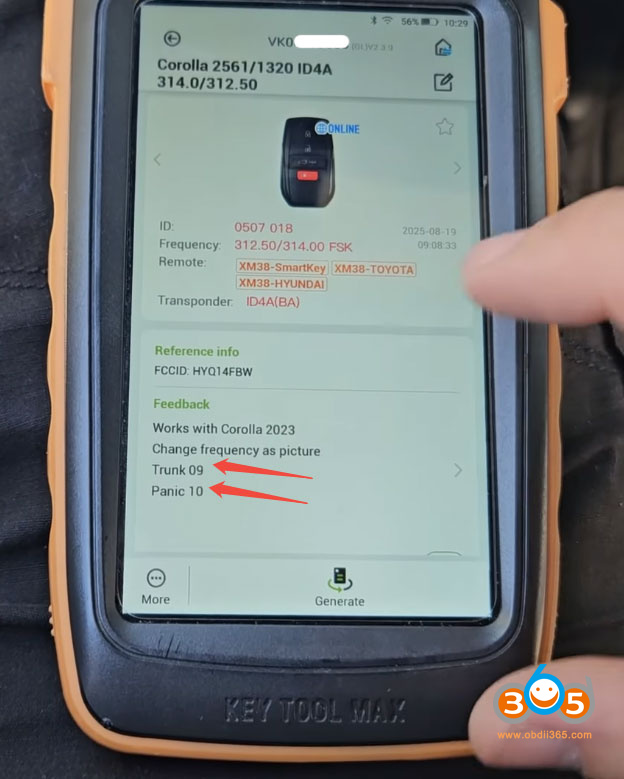
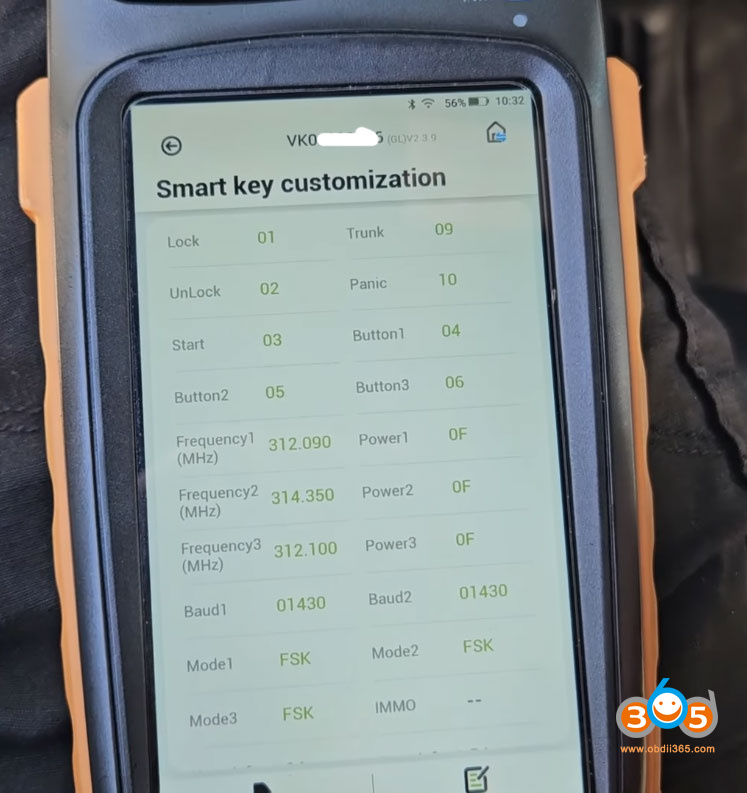
The XM38 works but some changes to the settings were required. Buttons (lock/unlock/trunk) functioned immediately, and full keyless entry/proximity worked after minor frequency adjustments (Xhorse keys support 312-314 MHz ranges, matching Toyota specs).
The engine started reliably, and remote functions operated from a distance.
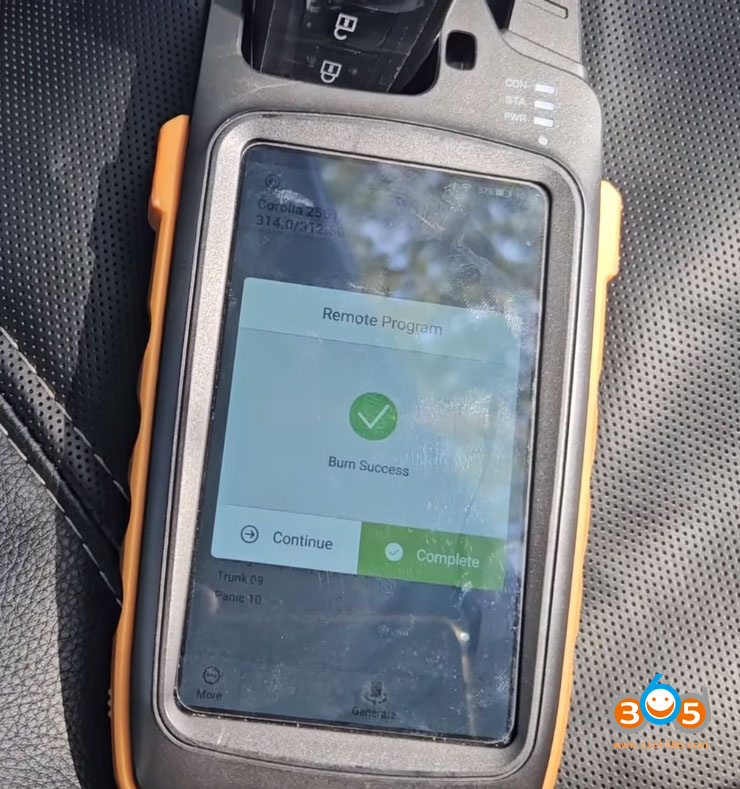
The tool allowed us to read and modify the key’s button configuration. By adjusting the values for “Trunk” (button 9) and “Panic” (button 10) to match the car’s expected signal, the remote functions were successfully enabled. Correct Xhorse key settings so that it works the same as the OEM key – including keyless entry and correct operation of all buttons. This step-by-step configuration is vital for aftermarket keys where button layouts differ from OEM.
Modern Toyotas (2020+) often use 4A or 8A/BA proximity chips with AES encryption, making AKL programming tricky. Tools like Lonsdor, Xhorse (with FT-OBD adapter), or OBDSTAR frequently succeed where others (e.g., older Autel setups) may struggle due to software restrictions or chip compatibility. Aftermarket universal keys from Xhorse XM38 or Lonsdor (e.g., LT-30 series) are cost-effective alternatives to expensive OEM fobs, but testing multiple firmwares/frequencies is sometimes necessary. In this case, the job was completed successfully, leaving the client with a fully functional smart key—including push-to-start, remote entry, and button controls. This real-world example highlights the importance of having versatile tools and a stock of universal keys when dealing with all-keys-lost situations on late-model Toyotas.